How rising costs are changing the way people get around Metro Atlanta
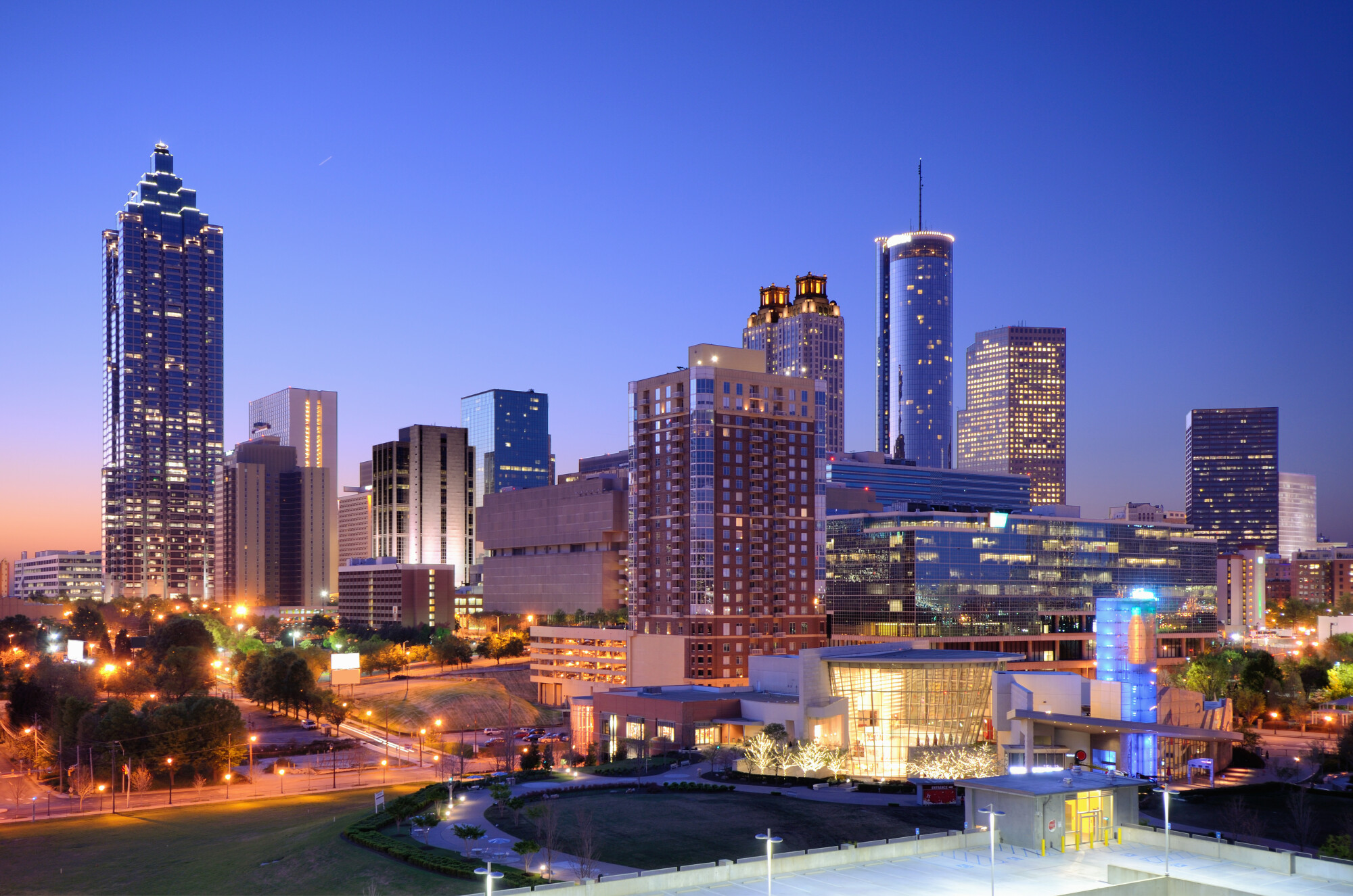
Rising costs are affecting how people travel around Metro Atlanta, and there’s a shift toward remote and hybrid work, as well as increased reliance on driving. There’s also the declining use of public transit options, and housing costs are reshaping commute patterns.
According to Payscale, the cost of living in Atlanta, GA is 5% lower than the national average. Despite this statistic, utilities, groceries, and transportation are all higher than the national average, and as a whole, the nation is experiencing increasing costs of living.
Here’s how the residents in the local area are making changes in their travel habits to accommodate these rising costs.
Is There a Shift Toward Remote and Hybrid Work?
Rising transportation and overall living costs in Metro Atlanta have pushed people to commute less. Telework and hybrid schedules have become a long-term norm and not a temporary adjustment.
This shift is directly tied to cost pressures. Households already spend a significant amount of money annually on transportation, so cutting even a few days of commuting each week can lead to meaningful savings. This means that many workers now cluster office visits midweek and work from home on Mondays and Fridays instead of doing daily travel.
Increased Reliance on Driving
Gas prices are certainly rising, but Metro Atlanta still remains heavily car-dependent. Many residents continue to rely on their personal vehicles as their primary mode of transportation.
This may seem counterintuitive, but structural factors explain the trend. The following all reinforce car use:
- Free workplace parking
- Limited transit access
- Convenience of driving
For many people, the perceived flexibility outweighs the growing financial burden of gas, insurance, and maintenance.
The rising costs are still influencing behavior within this area, though. They are shifting toward more cost-conscious driving habits, such as:
- Comparing gas prices across neighborhoods
- Consolidating trips
- Seeking shorter commutes
Declining Use of Public Transit Options
High costs are actually pushing people away from public transportation. Bus and rail usage is still low since transit doesn’t always offer a clear cost or time advantage.
Some may even prefer biking to work if possible, especially since it’s cheaper and you’re more in control of when you leave and arrive. While this is safe transportation, crashes on bikes can still happen, so having a good bike accident injury attorney in Marietta can be useful.
Are Housing Costs Reshaping Commute Patterns?
One of the biggest indirect ways rising costs are changing transportation in Metro Atlanta is through housing. Even though housing prices have decreased in recent years, many residents are still living farther from job centers. This, in turn, increases commute distances and costs.
Because of this, some people are prioritizing living closer to work, even at higher rent. Others are restructuring their schedules or jobs entirely to manage commuting costs.
Rising Costs Directly Impact Travel
Travel is something necessary, whether it’s for school, work, or leisure. General rising costs can directly impact travel, and as you can see, residents in Metro Atlanta are changing their commute and work habits to accommodate financial strains.
If you want to keep learning, then browse the rest of our webpages now.