Why Black Americans Can Celebrate Cinco de Mayo
- Cinco de Mayo commemorates Mexico's victory over France, indirectly aiding the Union in the US Civil War.
- Celebrating Cinco de Mayo is about embracing resistance and survival in the face of oppression.
- Cinco de Mayo and Juneteenth both serve as markers of freedom, resilience, and identity, uniting people across backgrounds.
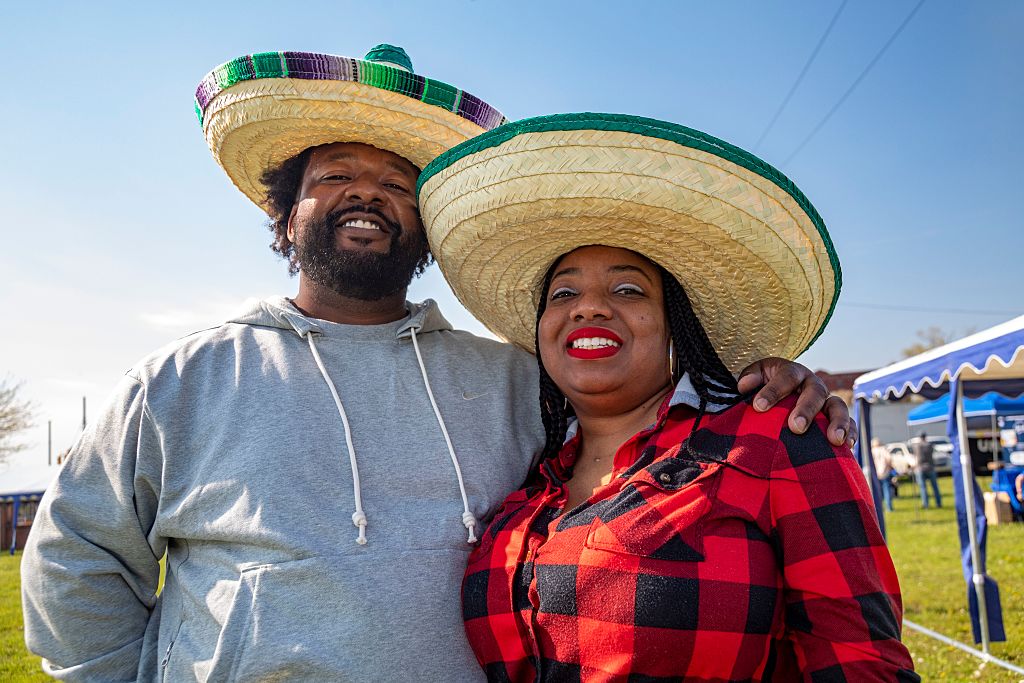
Every year, a familiar debate arises: Why do some Black folks seem to celebrate Cinco de Mayo with more enthusiasm than Juneteenth? While Juneteenth is undeniably a cornerstone of Black history, Cinco de Mayo holds a unique and powerful significance for Black Americans that often gets overlooked. Spoiler alert: It’s not just about margaritas and tacos.
Let’s break it down, as reported by the Zinn Education Project. On May 5, 1862, Mexico pulled off a major upset at the Battle of Puebla. Facing off against Napoleon III’s French forces—who were better trained, better funded, and ready to take over—Mexico’s ragtag army, led by General Ignacio Zaragoza, stood their ground and won. This wasn’t just a win for Mexico; it was a win for freedom everywhere. Here’s why: Napoleon’s plan was to use Mexico as a base to support the Confederacy during the U.S. Civil War. If France had succeeded, they could’ve supplied the South with weapons in exchange for cotton, potentially changing the course of history.
But Mexico’s victory delayed France’s plans long enough for the Union to gain critical ground in the Civil War. In other words, Mexico’s resistance helped keep the Confederacy from gaining a powerful ally, indirectly contributing to the abolition of slavery in the United States. That’s why Cinco de Mayo isn’t just a Mexican holiday—it’s a celebration of resistance against white supremacy, colonialism, and oppression, themes that deeply resonate with Black history and culture.
For Black Americans, Cinco de Mayo is more than a party—it’s a reminder of how interconnected our struggles for freedom truly are. The day isn’t just about the celebration of a victory over a foreign power; it’s about embracing resistance and survival in the face of oppression. This resonates deeply with a community whose history has been defined by struggle against colonialism, slavery, and segregation.
The Michigan Chronicle highlights another layer to this celebration: joy and solidarity. Black Americans have long used joy—through music, food, and community—as a form of resistance. Cinco de Mayo, much like Juneteenth, becomes a moment to celebrate triumph over adversity. Both holidays serve as markers of freedom, resilience, and identity, uniting people across different backgrounds.
However, the Chronicle also points out the complexities of cultural relationships in America. While Black Americans embrace Cinco de Mayo as a day of solidarity, it doesn’t erase the cultural divides between Black and Mexican communities. These divides, shaped by political, social, and economic factors, remind us that unity requires ongoing effort and understanding.
So, to those who question why Black Americans celebrate Cinco de Mayo, the answer is simple: It’s not about choosing one holiday over another—it’s about honoring a shared history of resilience and solidarity. As Juneteenth gains national recognition, it’s clear that both holidays can coexist as celebrations of freedom and resistance.
As you raise a glass this Cinco de Mayo, remember the deeper story behind the celebration. It’s not just about the party—it’s about the power of unity and the fight for justice that connects us all.


You May Also Like