Why medical documentation is the turning point in disability cases
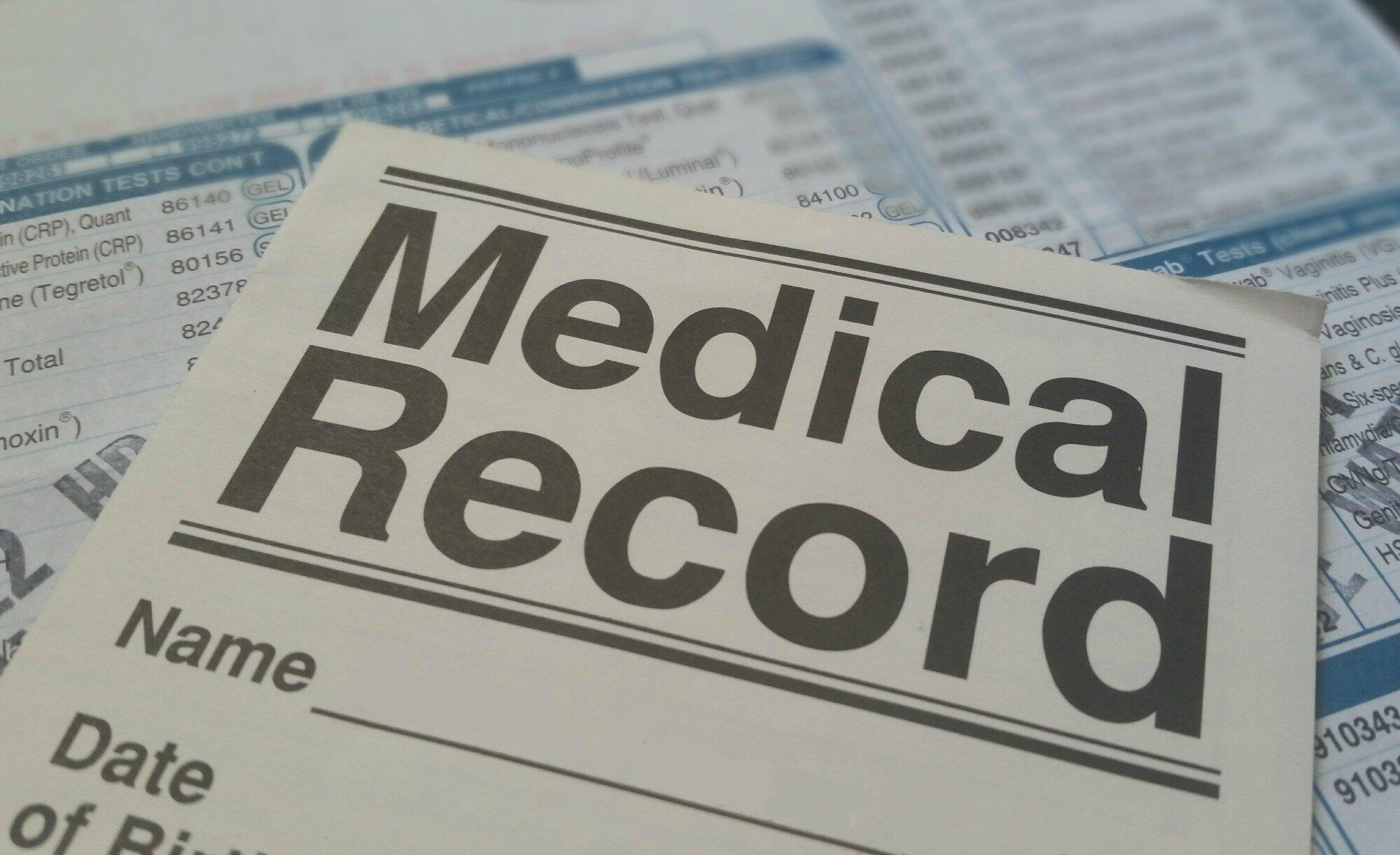
Medical documentation is essential in disability cases since it establishes the severity of the condition and connects medical conditions to functional limitations. It also provides consistency and credibility, and it strengthens legal and administrative arguments.
According to the Social Security Administration (SSA), the average processing time for initial disability claims is between 189 and 231 days. Many people can’t afford to wait so long, so having their initial filing go through is vital.
Having medical documentation can be the turning point in some cases, and these are the reasons why.
Establishes the Severity of the Condition
Medical documentation is often the strongest form of evidence in Social Security Disability claims since it clearly shows how serious a condition has become. The following can create a detailed timeline of the person’s health challenges:
- Diagnoses
- Physician notes
- Imaging scans
- Laboratory results
- Treatment histories
- Specialist evaluations
Without this information, it’d be difficult for insurers, employers, or government agencies to fully understand the extent of a person’s limitations. The thorough records can help demonstrate that the condition isn’t temporary or minor, but has a measurable impact on daily life and work performance.
Does It Connect Medical Conditions to Functional Limitations?
A diagnosis alone is rarely enough to secure disability benefits. Decision-makers typically need evidence that shows how the condition affects the person’s ability to perform work-related tasks and everyday activities. Disability claim documentation can bridge this gap by outlining physical, cognitive, or emotional limitations in practical terms.
For example, the records can show restrictions involving:
- Lifting
- Standing
- Concentration
- Mobility
- Communication
Functional assessments from physicians and specialists help explain why the person can no longer maintain consistent employment or safely complete essential job duties. This shows the importance of medical records, as it helps eliminate ambiguity and gives evaluators a clearer understanding of ongoing challenges.
Provides Consistency and Credibility Throughout the Case
Consistency is one of the most important elements in any disability claim, and medical documentation helps establish it over time. The following can align across multiple appointments and reinforce the credibility of the claim:
- Treatment records
- Physician observations
- Medications
- Reported symptoms
This can also demonstrate that the person has actively sought treatment and followed medical recommendations whenever possible. This can show that the condition persists despite ongoing care, too, rather than resulting from a lack of effort to recover.
Does It Strengthen Legal and Administrative Arguments?
Medical documentation can mean all the difference in winning disability cases. Attorneys rely on medical evidence in court, as they need it to:
- Build timelines
- Support expert testimony
- Challenge denials or unfavorable evaluations
They can reference specific findings and professional opinions rather than relying on general descriptions of pain or hardship.
Since disability claims are often scrutinized closely, well-organized medical evidence can significantly improve the chances of a favorable outcome while reducing delays and disputes throughout the process.
Have Medical Documentation Ready for Your Disability Claim
Now that you know the important role of medical paperwork in disability claims, you must have medical documentation ready. Without it, you may experience delays, denials, or negative outcomes.
Read the rest of our site to get more informative posts.