Experts warn DIY fixes may mask serious foundation problems

DIY foundation repair can seem like a good way to save money. Unfortunately, this approach may mask major underlying issues like water intrusion or sagging floors.
That’s the key problem with most DIY fixes: they only provide short-term relief. As time goes on, the underlying foundation problems will likely get worse. The only way to ensure a stable home environment is to contact the experts.
What Are the Risks of DIY Foundation Repair?
Trying to repair foundation issues yourself comes with several real risks. Here are some examples of negative outcomes associated with DIY repairs:
- Getting injured, particularly from falling
- Making the foundation problems worse
- Damaging other parts of your property
What you should do is hire foundation experts as soon as possible. They’ll run a top-to-bottom foundation inspection to identify issues. Some foundation repair services across North Georgia offer free, no-obligation inspections.
What Are Common Foundation Issues?
Not convinced you’ll need professional assistance with your foundation issue? Here are four common examples of how DIY fixes can mask the real problem.
1. Water Intrusion
Water intrusion is among the most common foundation issues. To prevent foundation damage, homeowners will often try to excavate the foundation and reseal the walls with methods such as damp proofing.
Unfortunately, if the sealant from the initial construction has failed once, it’s more likely to fail again. When it does, the water will infiltrate the basement and cause major damage. Excavation is also risky if you haven’t done it before.
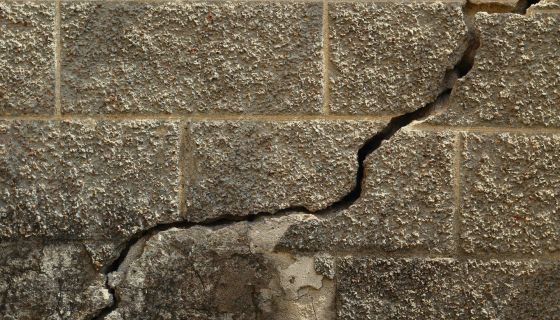
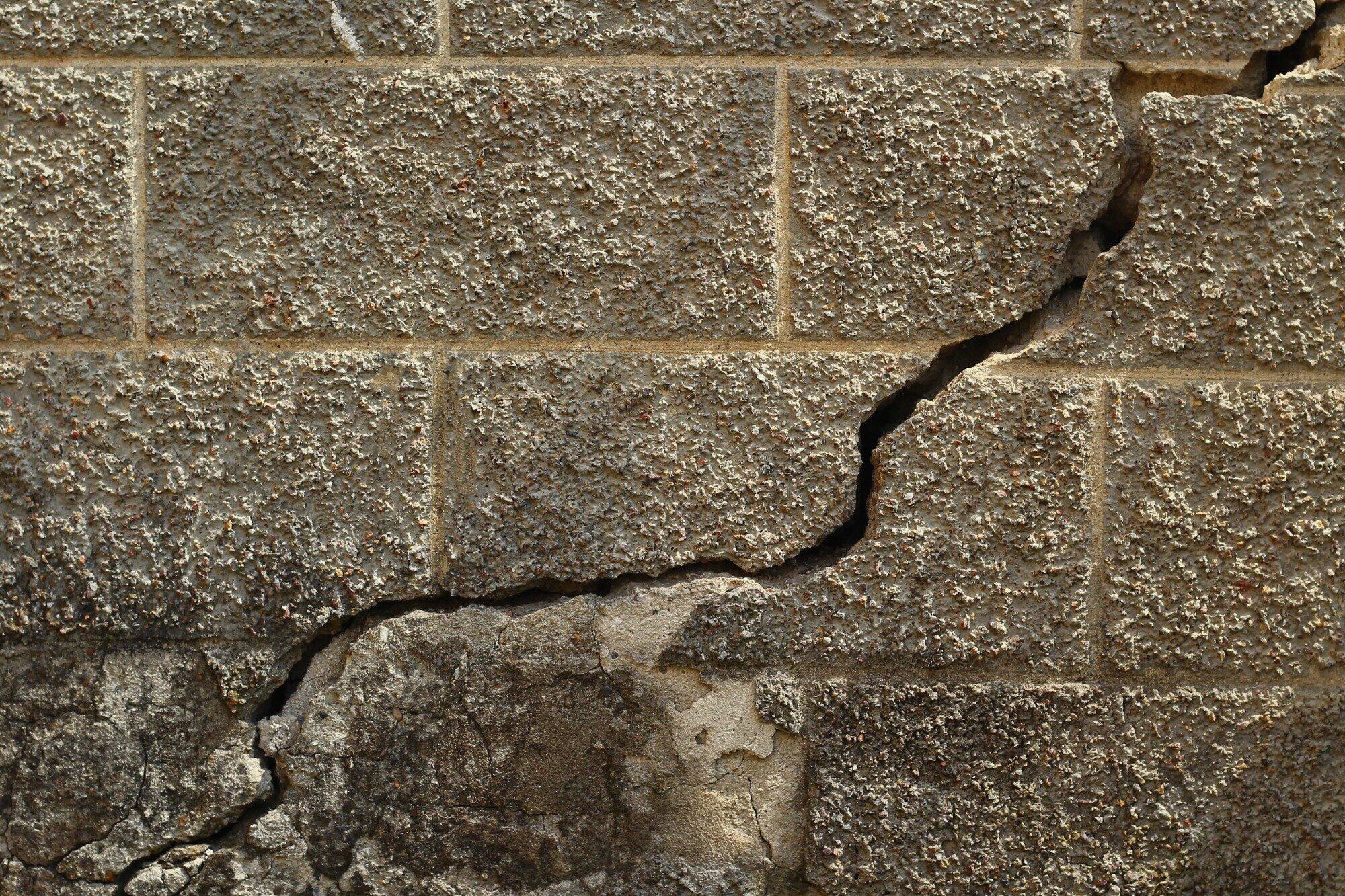
2. Cracked Concrete
Concrete can crack for many reasons, particularly if it’s exposed to the elements. Once it does, it’s only a matter of time before water gets through. Sealing up a concrete crack may seem simple, but a single mistake will undo all your work.
Some people also try pouring self-leveling concrete to create a smooth foundation surface. However, this concrete isn’t the best fit for subfloors. If there are any cracks, the leveling of the concrete will only make them worse.
3. Sagging Floors
A floor may start sagging if the floor joists succumb to moisture or termites. There are many short-term fixes for this, from wooden shims to bottle jacks. The thing is, they won’t last forever and don’t address the root cause of the issue.
Unless you have some experience with it, it’s best to avoid venturing into the crawl space. Many crawl spaces are difficult to navigate without specialized tools. There are also plenty of potential issues, some of which are hard to notice.
4. Faltering Walls
Faltering or bowing walls are classic signs of foundation issues. Many people use wooden braces to prevent the walls from coming down, but this is a temporary solution. The professionals will offer better options, such as:
- Steel I-beams (power braces)
- Wall anchors (tiebacks)
- Carbon fiber straps
Simplifying Foundation Problems
As a general rule, very few foundation problems can be classified as minor. As tempting as it is to deal with them yourself, your best bet is to call in the experts. They’ll accurately identify the issue and provide a personalized solution.
At Hot 107.9, we know all about how to make your home shine. Keep reading our content for more exclusive homeownership tips!