Low-speed crashes are generating high-value injury claims
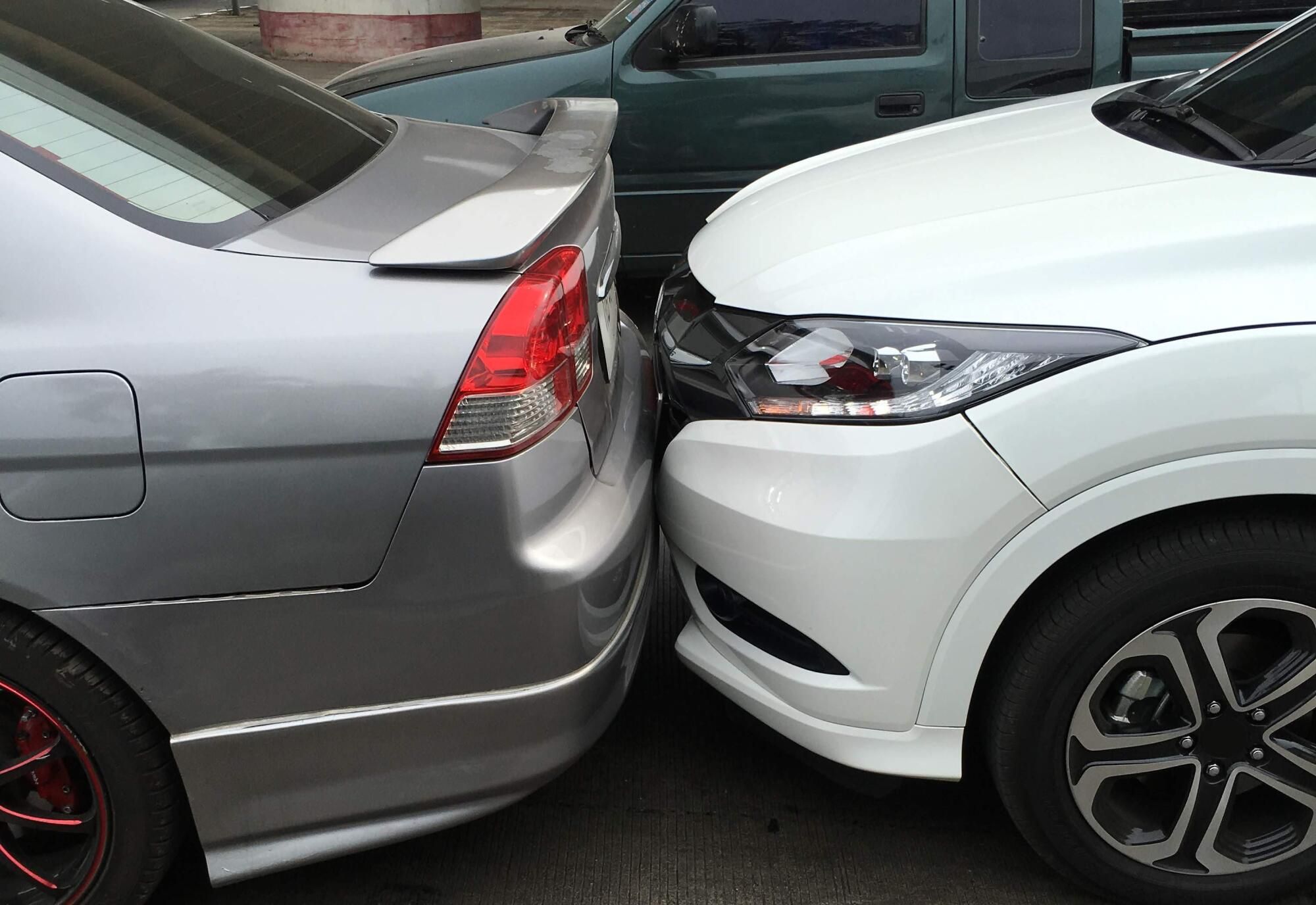
A crash too minor to mark the bumper can still cause a lasting neck injury. What decides whether or not you win injury claims is the medical record, not the damage photographs.
According to IIHS President David Harkey, neck sprains and strains are the most frequently reported injury in US auto insurance claims, and a surprising number of these come from rear impacts at parking lot speed. This creates a problem for the injured party. The car doesn’t look particularly damaged in the photographs, so the insurer forms a first impression that underestimates the severity of an injury that takes weeks to heal.
Vehicle Damage Doesn’t Diagnose Injury
Bumper photographs prove nothing about occupant injury. At parking lot speeds, you’ll find that modern bumpers tend to do the job, absorbing the energy of the crash without any visible deformation, so a rear impact can give occupants a strong enough jolt to cause neck and head injury with no damage to the vehicle at all.
The Injuries Are Real and Often Delayed
A minor crash major injury pattern typically involves something like the following:
- Cervical disc herniation
- Facet joint damage
- Concussion
Symptoms can take hours or days to develop, particularly when the adrenaline is still flowing after the initial impact. Soft tissue injuries are usually diagnosed by exclusion since standard imaging often shows no structural damage in the initial weeks. You might feel stiff but functional at the scene but then find that you’re dealing with severe arm pain and sleep disruption weeks or months later.
Don’t get complacent because the crash was slow and the cars look fine. These injuries cause real problems with sleep and with work.
Objective Findings and Injury Settlement
High-value injury settlements in the case of a low-speed crash depend on documentation from your healthcare providers rather than photos or videos of the crash. For example, MRI findings combined with a specialist statement connecting the injury to the collision can make your claim, whereas a lack of clear medical evidence can break it.
A common reason car accident injury claims are discounted is that a gap in treatment reads to an insurer as evidence the injury resolved. See a doctor and get evaluated even if you don’t feel seriously hurt.
New Jersey’s Lawsuit Limitation for Injury Claims
Drivers in New Jersey face an extra hurdle. The limitation on lawsuit option they choose when buying coverage bars recovery for pain and suffering unless the injury meets specific statutory categories, such as permanent injury supported by objective medical evidence.
Claiming accident compensation after a low-speed crash means that claimants in New Jersey need to prove the permanence of injury, not just the presence of pain. The Brach Eichler injury team and other firms handling these matters help claimants get what they’re entitled to by dealing with physicians early on and clearly documenting the specifics of the case.
Low-Speed Crash Compensation Rests on the Record
The value of minor injury claims depends on the medical evidence assembled in the days and weeks after. A collision severe enough to injure you can leave the car unmarked. Without medical documentation, there’s no proof of injury.
If you’re interested in reading more about entertainment, local news, and other interesting stories, see our archives for more.




You May Also Like