Communities are turning conservation into an economic asset
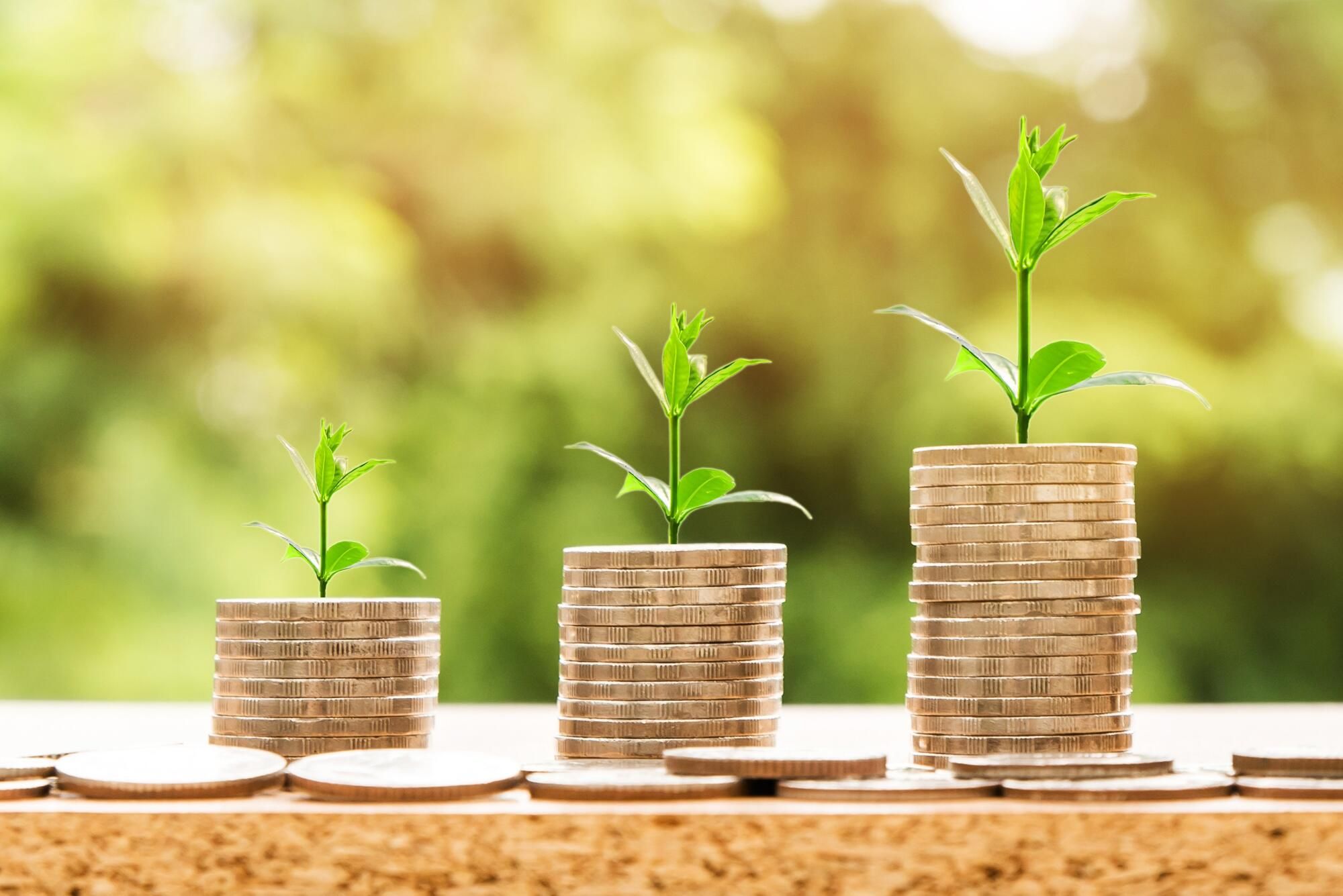
There are so many economic benefits of conservation that communities can take advantage of. Not only does outdoor recreation create local opportunities, but tourism can support small businesses, and conservation can also conserve property values.
For decades, conservation of our natural resources was considered the responsibility of the environmental branch of the government. No one else ever paid attention to it, hoping that everything would work out as they hoped.
However, in recent years, communities are realizing how much of an economic asset a conservation area can be, as it brings in tourism beyond anything they could imagine. That’s why conservation of areas such as coastlines, waterways, wetlands, forests, and wildlife habitats is becoming more important to communities.
It’s a scenario in which the economic benefits of conservation are good for all: the residents, the tourists, and the government.
Outdoor Recreation Creates Local Opportunities
Outdoor recreation is one of the most visible economic benefits associated with community conservation. Protected parks, trails, lakes, forests, and wildlife areas attract visitors who spend money on:
- Lodging
- Restaurants
- Transportation
- Equipment
- Guided tours
- Other services
These expenditures can support small businesses and create employment opportunities within surrounding communities. As interest in hiking, camping, cycling, fishing, and nature-based travel grows, local economies and conservation efforts work hand-in-hand.
Tourism Can Support Small Businesses
Natural attractions can become important destinations for visitors. A community located near scenic landscapes or protected areas may benefit from increased demand for:
- Hotels
- Vacation rentals
- Restaurants
- Outdoor outfitters
- Tour companies
- Local shops
Visitors often seek authentic experiences, allowing small businesses to highlight local culture, food, crafts, and history alongside natural attractions. This creates opportunities for economic growth without relying entirely on large-scale development. It’s all about using nature as an economic resource.
Contact York Bridge Concepts if you wish to build a sustainable custom bridge in your conservation area. Sustainable community development starts with such initiatives.
Conservation Can Protect Property Values
Well-maintained natural areas can also contribute to the appeal of nearby communities.
Access to parks, trails, waterways, and open spaces may make neighborhoods more attractive to residents and potential buyers. Preserving these resources can help maintain the character of communities while providing recreational opportunities close to home.
How lovely is it to live next to a natural area that you can access with your loved ones whenever you want? It really contributes to a higher quality of life.
Green Infrastructure Reduces Long-Term Costs
Conservation can provide practical infrastructure benefits as well. Wetlands, forests, floodplains, and natural landscapes can help:
- Manage stormwater
- Reduce erosion
- Provide shade
- Support water quality
Preserving these natural systems may reduce pressure on expensive engineered infrastructure in certain circumstances. Investing in natural assets can therefore provide both environmental and financial value over time.
Build An Economic Asset With Natural Areas
It’s not enough nowadays to conserve natural areas just like that. There has to be a financial reason for it as well. Now that conservation areas are becoming an economic asset, it’s become easier for communities to save them.
Please check out related articles on our website for more interesting content.




You May Also Like