Alcohol sobriety is finding a place in mainstream culture
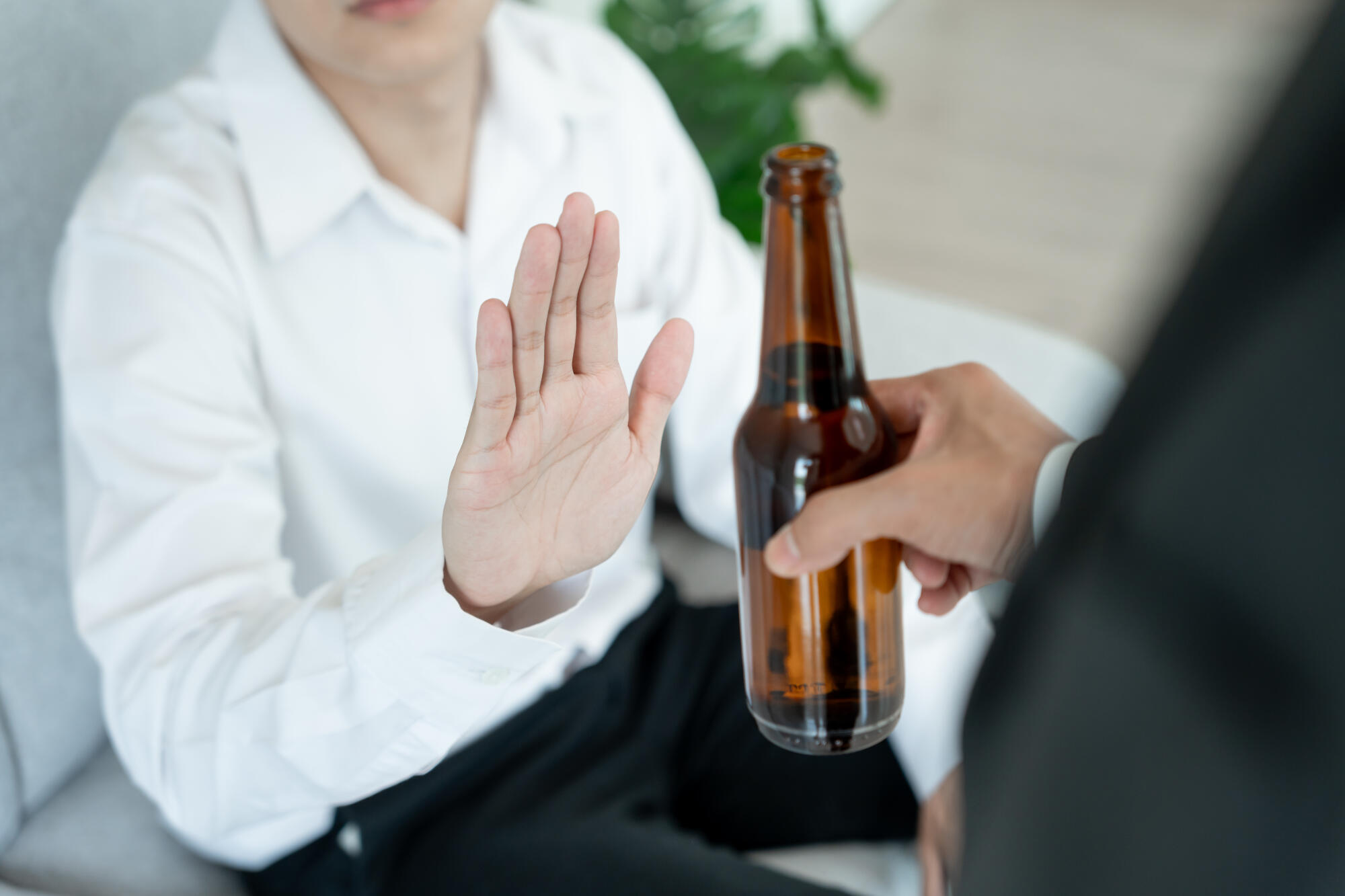
Alcohol sobriety is becoming more mainstream because there’s greater awareness of alcohol’s impact on physical and mental health, along with the rise of the wellness and self-care movement. There are also more alcohol-free social options and beverages, thanks to changing social norms and generational attitudes.
Gallup reports that the US drinking rate is at a new low; Americans’ self-reported drinking is down to 54%, and this is after consecutive declines, too. There’s a sober lifestyle trend going on, which is great for everyone’s overall health.
Why is alcohol sobriety becoming such a big thing, though?
Is There Greater Awareness of Alcohol’s Impact on Physical and Mental Health?
Being sober is becoming more mainstream because there’s a growing awareness of how alcohol affects your overall health. People are better understanding the connection between alcohol consumption and issues such as:
- Poor sleep
- Increased anxiety
- Weight gain
- Liver disease
- Elevated cancer risks
Many people who once viewed moderate drinking as harmless are now reevaluating whether alcohol aligns with their wellness goals. This has motivated them to seek detox and stabilization in Atlanta to turn things around.
The Rise of the Wellness and Self-Care Movement
The wellness movement has significantly influenced changing attitudes toward alcohol. Modern self-care includes daily habits that support long-term physical and emotional health.
As part of the sober living movement, people are embracing activities such as:
- Meditation
- Exercise
- Healthy eating
- Mindfulness practices
People are viewing sobriety as a proactive lifestyle choice rather than a sacrifice.
Social media influencers, health experts, and wellness advocates often share their positive experiences with reducing or eliminating alcohol. This helps make sobriety more visible and accessible, which has encouraged others to explore alcohol-free living.
Are There More Alcohol-Free Social Options and Beverages?
There are more alcohol-free alternatives thanks to changing consumer preferences. Companies have responded by offering sophisticated non-alcoholic beers, wines, spirits, and mocktails.
These options allow people to participate in social gatherings without feeling excluded or pressured to drink alcohol. They appreciate having alternatives that provide a similar social experience without the aftereffects of alcohol.
This expansion of drink products has helped remove some of the stigma associated with sobriety. It’s made abstaining from alcohol a more accepted and convenient choice, and it’s paved the way to more alcohol-free social events.
Changing Social Norms and Generational Attitudes
Younger generations are reshaping cultural attitudes toward alcohol, as they’re placing a higher value on not just their health, but also financial responsibility and authentic social experiences. They don’t see alcohol as a necessary part of socializing; they now see it as an optional choice.
There has also been the rise of sober-curious movements and alcohol-free culture, and this is encouraging more people to live a sober life. They’ve created spaces where sobriety is celebrated rather than questioned.
Alcohol Sobriety Is Becoming the Norm
There used to be a stigma attached to alcohol sobriety, but not anymore. Times are changing, and attitudes are, too.
People are becoming more focused on their health and wellness, and there are more alcohol-free drink products available as well. The result is a normalized focus on less drinking and more proactiveness about taking care of ourselves.
Keep reading our pages now to discover more interesting articles.