What happens when energy demand outpaces infrastructure?
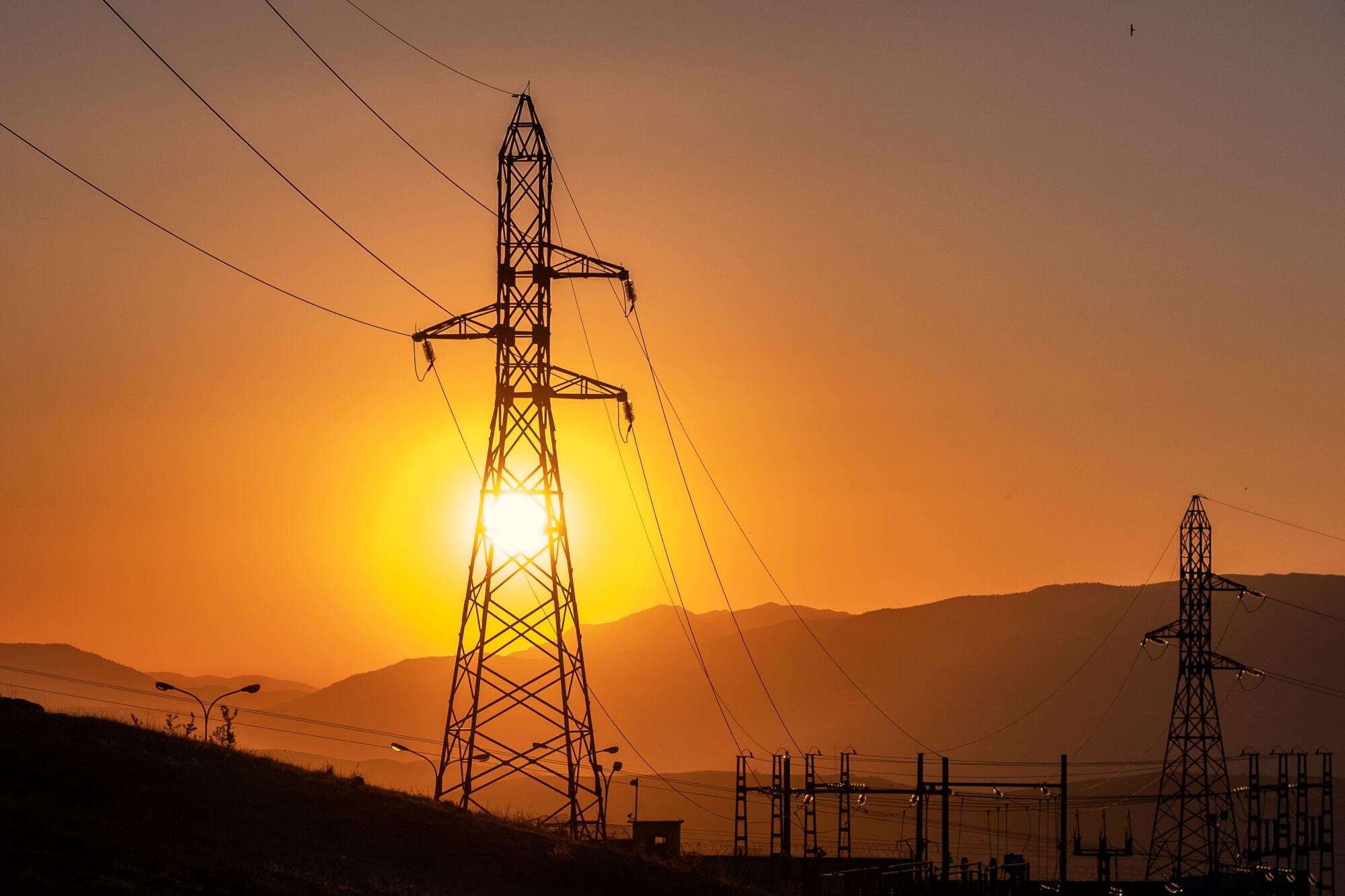
When energy demand outpaces infrastructure, grid congestion creates bottlenecks across entire regions, and businesses face rising costs and delayed expansion. Extreme weather also makes an overloaded grid more vulnerable, and long-term planning becomes the key to meeting future demand.
According to the US Energy Information Administration (EIA), US energy consumption in 2025 equaled 96 quadrillion British thermal units, which is up 2% from 2024. As energy demand grows, the infrastructure in many areas can’t keep up.
While it may seem like the infrastructure is holding up, there are definitely long-term consequences. Here’s what happens when energy demand outpaces infrastructure.
Does Grid Congestion Create Bottlenecks Across Entire Regions?
When electricity demand grows faster than the power grid can handle, congestion becomes one of the first visible problems. Transmission lines that were built decades ago often struggle to move electricity from new renewable energy projects or distant power plants to fast-growing cities.
Instead of generating too little electricity overall, the issue is frequently that power can’t efficiently reach where it’s needed. As part of managing energy growth, utilities may have to:
- Curtail renewable generation
- Rely on more expensive backup plants
- Delay connecting new customers and businesses
Businesses Face Rising Costs and Delayed Expansion
One part of the energy consumption impact is on the economy. These all require dependable electricity before construction can begin:
- Manufacturers
- Data centers
- Semiconductor facilities
- Logistics hubs
Companies now encounter lengthy wait times for grid connections because utilities lack sufficient transmission capacity or available substations. These delays can postpone multimillion-dollar investments, and this can reduce local job creation.
Existing businesses may also experience higher operating costs if utilities rely on expensive peaking plants during periods of high demand.
Does Extreme Weather Make an Overloaded Grid More Vulnerable?
A power system operating close to its limits becomes significantly more vulnerable during extreme weather. For example, heat waves increase air conditioning demand just as transmission equipment becomes less efficient in high temperatures.
Winter storms can damage infrastructure while heating demand spikes, creating a difficult balancing act for grid operators, and wildfires, hurricanes, and flooding add further strain to the energy infrastructure by damaging substations and transmission lines.
Without adequate upgrades, these events can trigger rolling blackouts or prolonged outages that affect millions of customers.
Long-Term Planning Becomes the Key to Meeting Future Demand
The gap between energy demand and infrastructure highlights the importance of planning years or even decades ahead. Electrification of transportation, heating, manufacturing, and AI is expected to drive electricity consumption much higher than historical trends.
Meeting that demand requires infrastructure upgrades so that generation and infrastructure grow together instead of separately. We must expand transmission networks, upgrade substations, modernize distribution systems, and streamline permitting processes.
Key future energy solutions include consumers considering pellet stoves for sale or other routes that don’t use as much electricity.
Energy Demand Growth Won’t Stop
As technology keeps advancing, energy demand growth definitely won’t stop. This means that it’s key to address this issue now rather than later so that our infrastructure won’t fail.
Check out more of our pages to keep reading interesting posts.




You May Also Like