What accident trauma does to lives long after the crash
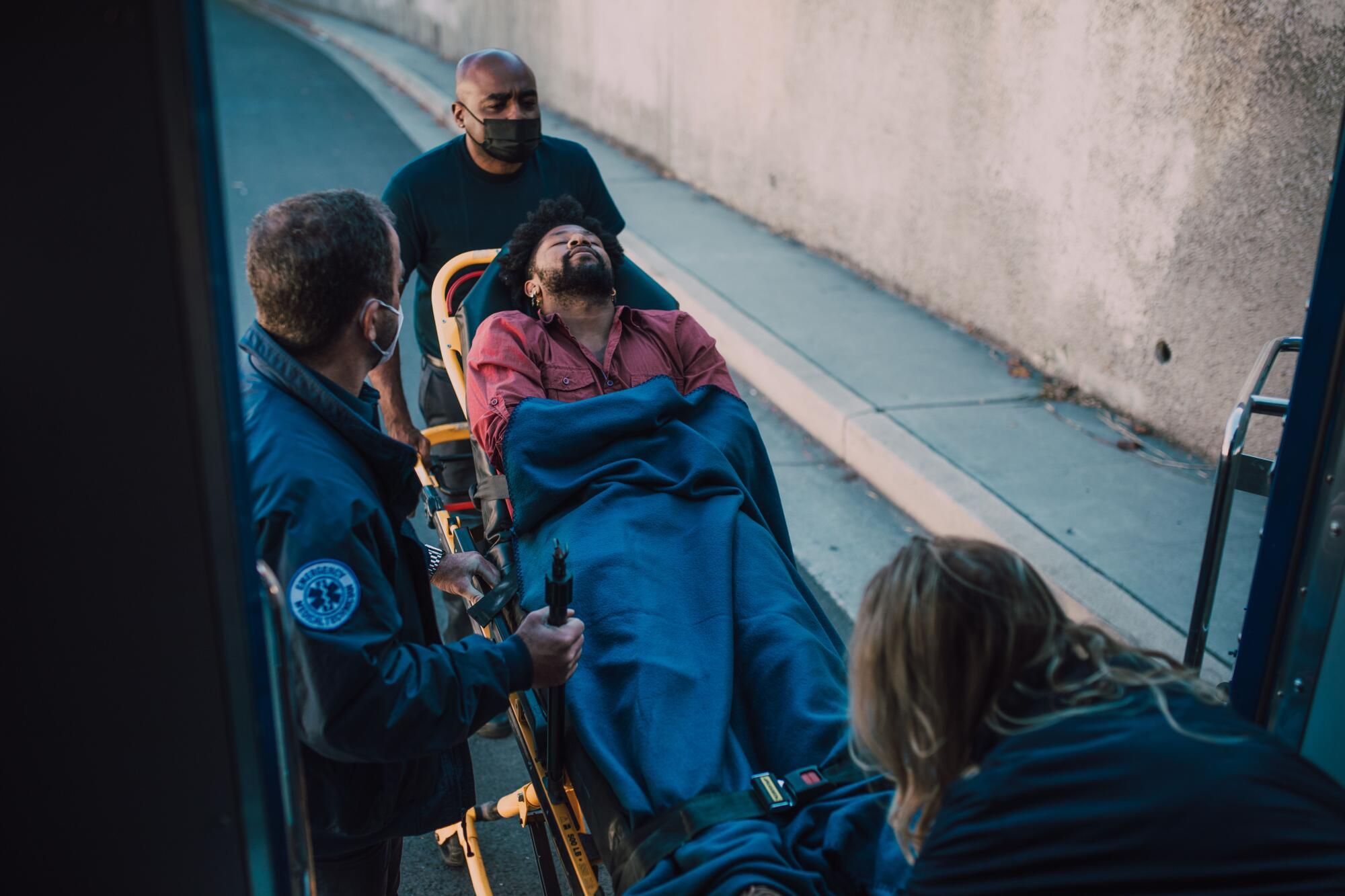
What accident trauma does long after the crash is have an emotional impact that lasts long after physical injuries heal, and financial struggles that often continue for months or years. Family roles and daily routines can also change dramatically, and recovery is often measured in small milestones rather than one big finish.
The National Highway Traffic Safety Administration (NHTSA) reports that in 2024, around 2.42 million Americans were injured on roadways. Accident recovery can already be difficult if you’ve got serious physical injuries, but the impact of crashes goes beyond that.
The fact is that many people go through accident trauma, and this can have a long-term effect on them.
Can the Emotional Impact Last Long After Physical Injuries Heal?
A serious accident often leaves emotional wounds that outlast broken bones, cuts, or bruises. Many survivors experience:
- Anxiety
- Depression
- Guilt
- Persistent fear
In addition, flashbacks, nightmares, and heightened stress responses may become part of daily life, and this can make routine tasks feel overwhelming. Trauma coping strategies are necessary, as addressing the emotional side of things is just as important as treating physical injuries.
Financial Struggles Often Continue for Months or Years
The costs of an accident rarely end when the hospital stay is over. The following can place significant financial pressure on both individuals and their families:
- Ongoing rehabilitation
- Prescription medications
- Follow-up appointments
- Adaptive equipment
- Home modifications
If the injuries prevent someone from returning to work immediately or permanently, then lost wages can compound the problem. Financial uncertainty often creates additional stress that can slow emotional healing, so getting car accident claim legal support can be a huge weight off a survivor’s shoulders.
Family Roles and Daily Routines Can Change Dramatically
A severe accident often reshapes household responsibilities in unexpected ways, and this can force a survivor’s transformation. Someone who used to manage childcare and household tasks may suddenly depend on others for everyday assistance. This shift may cause emotional strain, fatigue, and difficult adjustments for the entire family.
Children may notice changes in routines or become anxious about a parent’s health. Partners may struggle to balance caregiving with maintaining a healthy relationship. This makes it important to have open communication, realistic expectations, and outside support.
Is Recovery Often Measured in Small Milestones Rather Than One Big Finish?
Many people imagine recovery ending when a cast comes off or when a doctor clears them to go home. Accident trauma rarely follows a simple timeline, though.
One of our best long-term recovery insights is that progress is often gradual, involving countless small victories. They can include:
- Walking without assistance
- Driving again
- Returning to work part-time
- Participating in family activities with less pain
Setbacks are common, and healing may not occur in a straight line; and that’s okay.
Accident Trauma Can Last Longer Than You Think
If you ever get in a crash, remember that accident trauma can last long after you’ve healed from physical injuries. It’s important to be kind to yourself and take things slow, as your mental state is just as important as your physical state, if not more.
If you want more informative posts, then check out more of our pages now.




You May Also Like