How severe weather is changing roofing choices
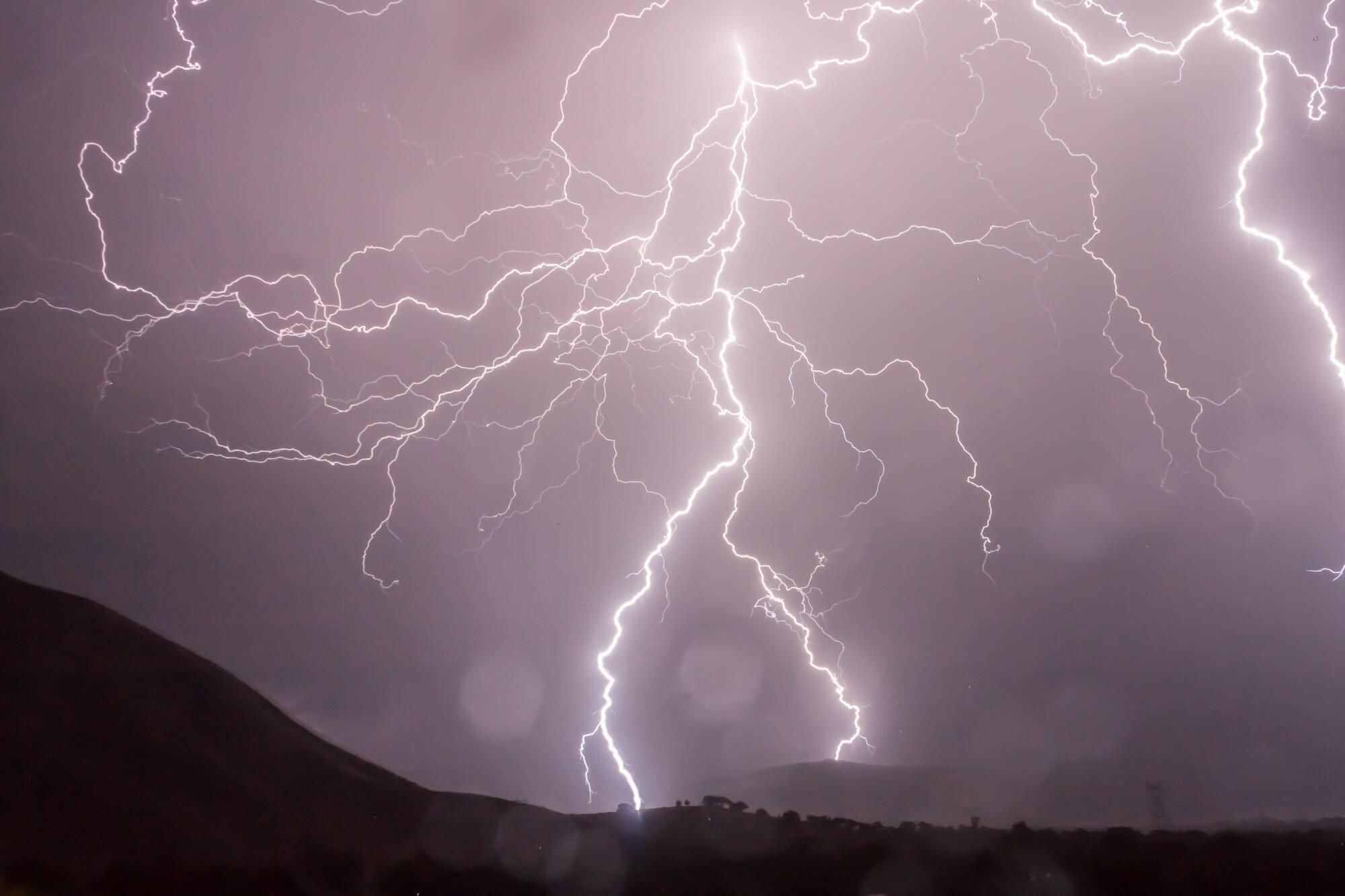
Severe weather is reshaping roofing choices, shifting them to more durable and resilient options against torrential downpours, extreme temperature fluctuations, heavy hail, and high winds. More are exploring metal and Class 4 impact-resistant roofs, which protect better against costly storm damage.
Storm damage has always been expensive, but with increasing severity and frequency of extreme weather, the costs have jumped.
Per the latest Office for Coastal Management data, the United States faced 27 billion-dollar disasters that caused $182.7 billion in damages in 2024. They’re above the average number of events (23) and cost ($149.3 billion) over the last five years.
Which State Has the Most Severe Weather?
Based on the number of tornadoes it gets, Texas is the state with the most severe weather.
Farmers’ Almanac says Texas sees around 155 tornadoes each year, with a total of 190 billion-dollar weather disasters since 1980. Florida ranks second, with 80 billion-dollar weather disasters since 1980, and then Louisiana, which has had 10 billion-dollar flooding events since 1980, the most of any state.
What Should You Do During Severe Weather?
If you’re already at home, stay indoors because severe weather can kill. As recent research from the policy-neutral nonprofit organization Climate Central found, the U.S. had 23 billion-dollar climate and weather disasters in 2025, wherein 276 direct and indirect fatalities occurred.
Once inside, stay as far away as possible from windows. Strong winds and flying objects can cause panes to break and shatter.
Before the storm hits, close storm shutters or hurricane coverings if you have any installed. If the weather forecast says a thunderstorm is coming, ensure you also:
- Unplug electronic devices
- Stay far from wall outlets
- Don’t touch or use wired electronics (e.g., personal computers, televisions, plugged gaming consoles)
If you’re outside, seek shelter inside a sturdy building as soon as possible, even more so if it’s a severe thunderstorm approaching.
How Is Severe Weather Changing Roofing Choices?
The impact of severe weather on roofing systems is causing shifting preferences in roofing material choices that offer increased environmental protection. More people now opt for systems that can better withstand worsening weather events and the damage they can cause, such as:
- Accelerated wear and tear
- Indentation or deformation
- Structural compromise
Metal roofs are prime examples of climate-resilient roofing, lasting for 50 years or more when built and maintained properly (versus traditional asphalt shingles’ 20- to 30-year lifespans), as noted by Alpharetta’s best metal roofing company. They are also weather-resistant roofing options, with good resistance to wind, hail, and fire.
Class 4 impact-resistant roofs are another example of extreme weather roofing solutions, engineered to withstand severe, heavy physical blows from hail and flying debris. They feature more reinforcing elements and boast stronger composite materials, allowing them to deliver better protection than standard roofing systems.
Protect Your Family, Home, and Assets From Severe Weather
With severe weather events becoming more intense and frequent, investing in a stronger, more climate-resistant roofing system should be a top priority. With a solid metal or Class 4 impact-resistant roof, you can expect it to provide a more robust defense against impact, wind, and fire.
Find more practical home and lifestyle advice and the latest news headlines by browsing our most recent posts and coverage.




You May Also Like