Tupac Murder Trial: Day 1 Explained
Tupac Murder Trial: Day 1 Begins With Interviews Of Duane ‘Keffe D’ Davis Admitting He Was Involved
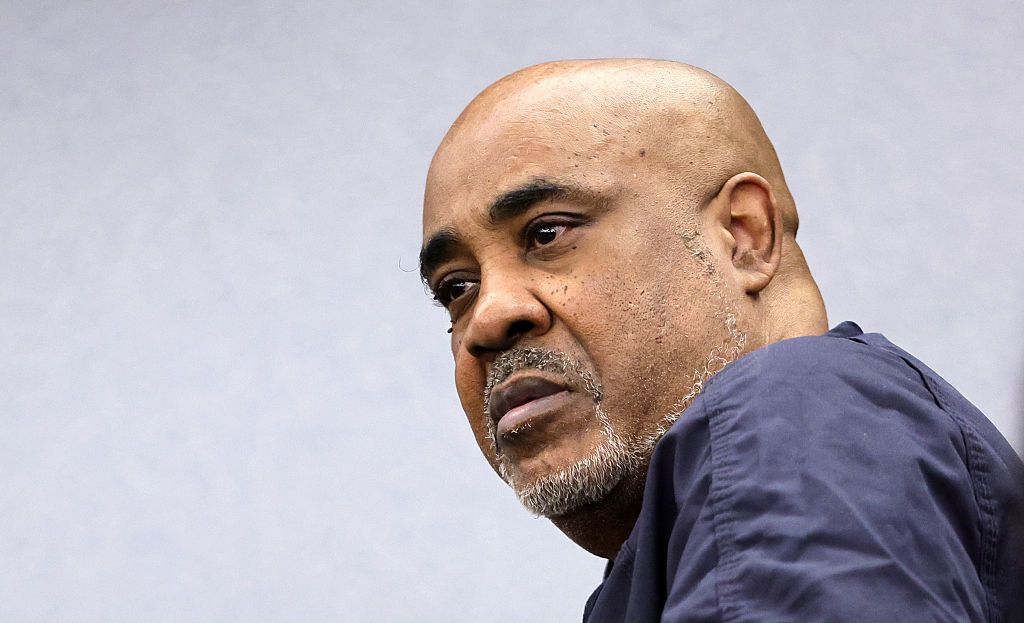
The long-awaited murder trial surrounding Tupac Shakur’s 1996 murder is officially underway, with prosecutors and the defense wasting no time presenting sharply different versions of what led to the rapper’s death. Opening statements began Aug. 17, with Duane “Keffe D” Davis at the center of the case. Prosecutors allege Davis played a key role in the events that led to Tupac being shot in a drive-by attack near the Las Vegas Strip in September 1996.
Tupac Murder Trial Day 1: What happened?
According to XXL, prosecutor Binu Palal told jurors that Davis’ own words will be an important part of the prosecution’s case. Prosecutors played excerpts from interviews Davis gave to investigators and media outlets over the years, including recordings in which he allegedly acknowledged being present during the shooting and passing a gun to the person who fired at Tupac.
Davis’ attorney, Michael Sanft, is taking a very different approach. Rather than treating Davis’ past statements as confessions, Sanft argued that his client has a history of making exaggerated claims and should not be believed.
At one point, the defense displayed a slide featuring the word “bullsh*t,” with Sanft arguing that “Keffe was known to do this.”
Sanft also questioned why Davis was not charged earlier if authorities believed his previous statements amounted to admissions of involvement. He argued that over the 27 years following Tupac’s murder, Davis “was never charged for any of what he said during that time period, and it’s because they knew he was full of crap,” Mr. Sanft said. “Otherwise they would’ve.”
Prosecutors say Tupac’s killing was an act of revenge carried out by Duane “Keffe D” Davis.
Prosecutors are framing the shooting as retaliation for a violent confrontation that happened earlier that same night.
According to CNN, Palal told jurors that Tupac’s murder was an “act of revenge” stemming from an altercation involving Orlando Anderson, Davis’ nephew. Prosecutors showed surveillance footage of the confrontation and played audio from a 2008 interview in which Davis discussed the events surrounding the shooting.
The prosecution also argued that Davis had maintained “visceral anger” toward Tupac for decades.
That alleged feud, prosecutors say, was part of a larger rivalry between the Southside Crips-Burris Street and Mob Piru, a gang closely associated with Death Row Records.
Tupac was closely affiliated with Death Row, while the label’s co-founder, Marion “Suge” Knight, was in the car with him when the shooting occurred. Prosecutors allege that tensions between the rival groups had intensified after the Southside Crips became the West Coast security team for Sean “Diddy” Combs’ Bad Boy Entertainment.
The confrontation that prosecutors say sparked the shooting.
Palal connected the shooting to an earlier violent confrontation at a Mike Tyson fight in Las Vegas.
According to The Los Angeles Times, prosecutors showed surveillance footage that appeared to capture members of Tupac’s entourage attacking Anderson inside the MGM Grand. According to the prosecution, the confrontation was tied to an earlier dispute involving a Death Row Records chain.
Prosecutors said Mob Piru member Travon Lane had spotted Anderson in the hotel lobby. Months earlier, Anderson was accused of stealing Lane’s Death Row chain during an attack at the Lakewood mall.
Palal emphasized that prosecutors are not accusing Davis of being the person who pulled the trigger.
“Let’s be clear, Duane Davis did not pull the trigger. But he did plan the shooting in retaliation of the beating of his nephew,” Palal said, according to the outlet. “Remarkably, you will learn that from Duane Davis himself.”
Palal also told jurors that Tupac’s death was followed by a wave of violence in Compton, including the killing of an 11-year-old girl.
“In this world, silence means survival,” Palal said. “The one person who has had a hard time being silent is Duane Davis.”
Prosecutors point to Duane “Keffe D” Davis’ own accounts.
A major piece of the prosecution’s argument centers on what Davis has said publicly about Tupac’s murder over the years.
Palal played portions of a 2008 interview with a Los Angeles Police Department federal task force in which Davis discussed his alleged role in the shooting. Prosecutors are also expected to rely on other interviews and statements, as well as accounts Davis included in his memoir, “Compton Street Legend.”
According to Palal, Davis obtained the weapon from Eric Zip Martin, whom prosecutors described as an East Coast drug dealer associated with Combs’ Bad Boy Entertainment.
“He admits putting the gun he obtained that night in the back seat of the vehicle so the shooters could shoot,” the prosecutor said. “You will learn that Duane Davis got the gun. … You will learn that he got into a white Cadillac. You will learn when the opportunity presented itself for retribution, Duane Davis made sure that the shooter was armed and ready to execute their revenge.”
Prosecutors allege that Davis and members of his group then went looking for Knight and Tupac. In his various accounts, including his memoir, Davis described spotting the Death Row convoy stopped at a red light.
According to the recording played in court, Tupac was hanging out of the BMW window and waving to female fans when the group spotted him.
“Tupac, he gave himself away,” Davis said in the recording played in court, per The Los Angeles Times. “Otherwise, they would’ve got away.”
Witnesses revisit the night Tupac was shot.
The trial has also brought forward witnesses who were in Las Vegas when the shooting happened.
Former police officer Garry Dale recalled riding in the ambulance with Tupac after he was pulled from the vehicle suffering from gunshot wounds. Dale testified that Tupac remained conscious and defiant on the way to the hospital.
When Dale asked who had pulled the trigger, Tupac reportedly responded, “We’ll take care of it.”
Shooting witness Ingrid Stokes also recalled the chaos, describing the terrifying sound of gunfire as she headed toward the same club Tupac was visiting.
Meanwhile, retired detective Brent Becker gave lengthy testimony about the challenges investigators faced over the years, including suspicions involving music-industry figures and the possibility that the killing was connected to a broader gang rivalry.
As the trial continues, jurors will have to weigh Davis’ decades-old statements against the defense’s argument that he was simply telling stories, and determine which version of the events leading to Tupac Shakur’s death they find credible.
RELATED: Baltimore Mayor Brandon Scott Rededicates Street For Tupac Shakur
Tupac Murder Trial: Day 1 Begins With Interviews Of Duane ‘Keffe D’ Davis Admitting He Was Involved was originally published on hiphopwired.com




You May Also Like