How e-commerce growth has reshaped warehouse storage
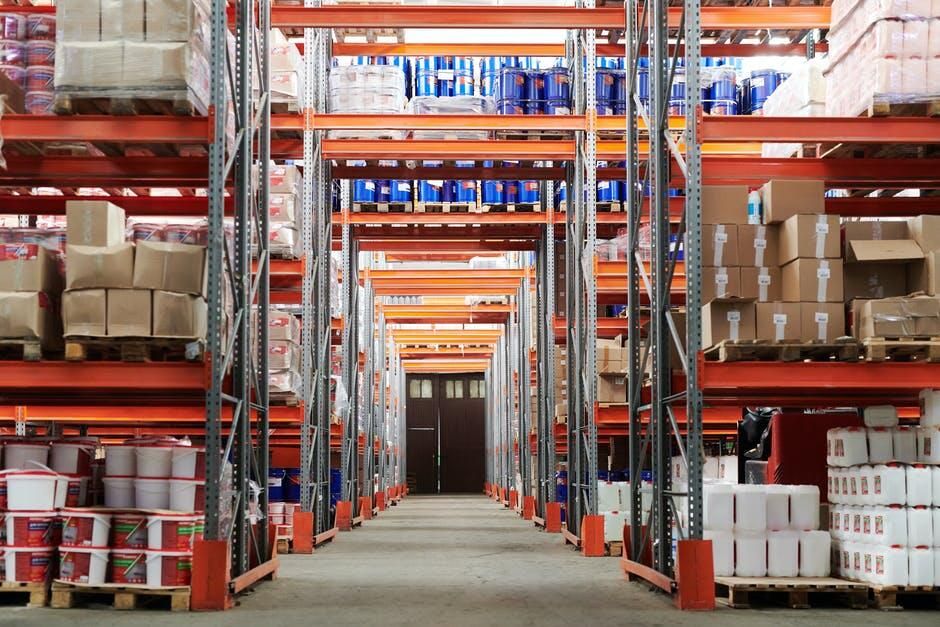
E-commerce growth has reshaped warehouse storage. Changes in how we shop mean warehouses have to reconsider shelving configurations, utilize better inventory management systems, and use automation to keep up with increasing demands.
Vertical storage allows warehouses to hold more inventory, flexible racking options allow for changes in the types of products stored, while robots eradicate picking errors and speed up the entire process.
What is the Impact of E-commerce Growth?
It’s estimated that by 2027, global e-commerce sales will reach $7.9 trillion dollars. E-commerce growth comes hand-in-hand with changes in consumer expectations.
To meet customer needs, businesses need increased inventory turnover and faster delivery times. Warehouse solutions have to become more efficient to meet these needs, meaning businesses must review existing practices and storage frameworks.
In light of changing demands, successful businesses must opt for a more agile approach to storage. Implementation of innovative technologies such as Automated Storage and Retrieval Systems (AS/RS) speeds up the picking process and reduces human error.
Warehouses were once regarded more as “storage facilities”; now they are fulfillment centers. The goal here is no longer to only safely store inventory; it’s to process it quickly.
What Innovative Warehouse Solutions Are Companies Using?
The impact of online shopping has seen businesses innovate. Here are some of the key developments in warehouse optimization and supply chain management:
- Implementing Vertical Storage Systems: Instead of focusing on longer rows of shelving, warehouses are maximizing storage by using the full heights available.
- Mobile Racking: Adding flexibility to your storage makes it easier to adapt when inventory changes.
- Dynamic Slotting: Product allocation based on demand makes it quicker and easier to pick high-turnover items.
- Automated Systems: Picking using robots reduces errors and makes warehouses more efficient.
Utilizing modern warehouse solutions maximizes storage and makes picking more efficient, while also reducing labor spending.
The Financial Considerations of Implementing Change
As e-commerce demand grows, so do warehouse costs. One area where this is abundantly visible is in labor costs as the sector’s overall employee numbers rise.
Implementing changes in warehouse management may seem daunting to some businesses, as it’s easy to assume the initial outlay is large. There are several ways to implement changes without excessive spend. For instance, you could buy used racking and used shelving.
Investments such as automation and management software may involve a larger outlay, but will pay for themselves quickly with reduced picking errors, quicker turnaround times, and improved customer experience.
Warehouse Management Systems (WMS) let you track inventory levels in real time, meaning replenishment will become seamless. Using Internet of Things (IoT) devices makes it easy to monitor storage conditions remotely, resulting in better product integrity.
How Is E-commerce Growth Reshaping Warehouse Storage?
E-commerce growth pushes up demand for quicker deliveries and a broader inventory. To meet this growth, businesses must implement flexible storage options that allow warehouses to respond to changes in inventory and demand.
Leaning into new technology drives efficiency, eliminates errors, and reduces costs. While you’re here, why not check out more of our great articles?




You May Also Like